

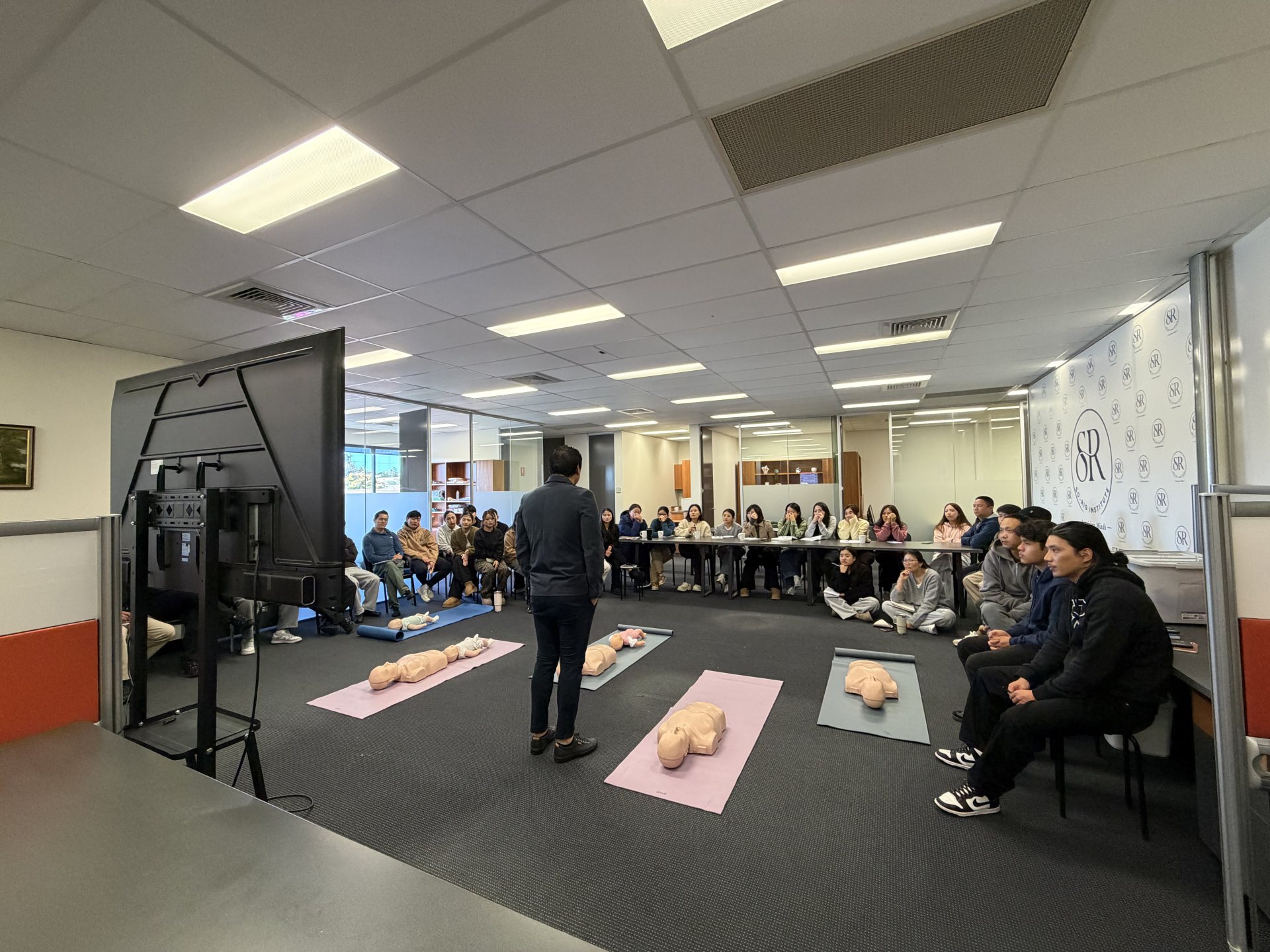
First aid is more than a tick on a compliance form. For a disability support worker, it is a quiet promise to the people you support that you will be ready when it matters most. The skills below are the ones we see make the biggest difference on real shifts.
Why First Aid Matters in Disability Support
Many participants live with health conditions that increase the chance of seizures, falls, choking, or medication reactions. A confident first responder in the home or community can shorten the time to safe care and reduce the long term impact of an event.
A calm support worker with current first aid training is one of the most valuable safety controls a participant can have.
1. High Quality CPR and Defibrillation
Cardiac arrest is rare, but every second counts. A current HLTAID009 or HLTAID011 statement gives you the muscle memory to deliver compressions at the right depth and rate, and the confidence to use a defibrillator without hesitation.
- Aim for thirty compressions to two breaths in adults.
- Push hard, push fast, and let the chest fully recoil.
- Apply the defibrillator pads as soon as the device arrives.
2. Anaphylaxis and Asthma Response
Adrenaline autoinjectors and reliever puffers are common in homes that support participants with allergies or respiratory conditions. Knowing where they are stored, how to use them, and how to document the response keeps everyone safer.
Quick Mental Checklist
- Recognise the signs early, including swelling, wheezing, or sudden distress.
- Use the autoinjector or reliever as prescribed.
- Call triple zero and stay with the person until paramedics arrive.
- Document the event clearly and brief the next shift.
3. Severe Bleeding and Trauma Care
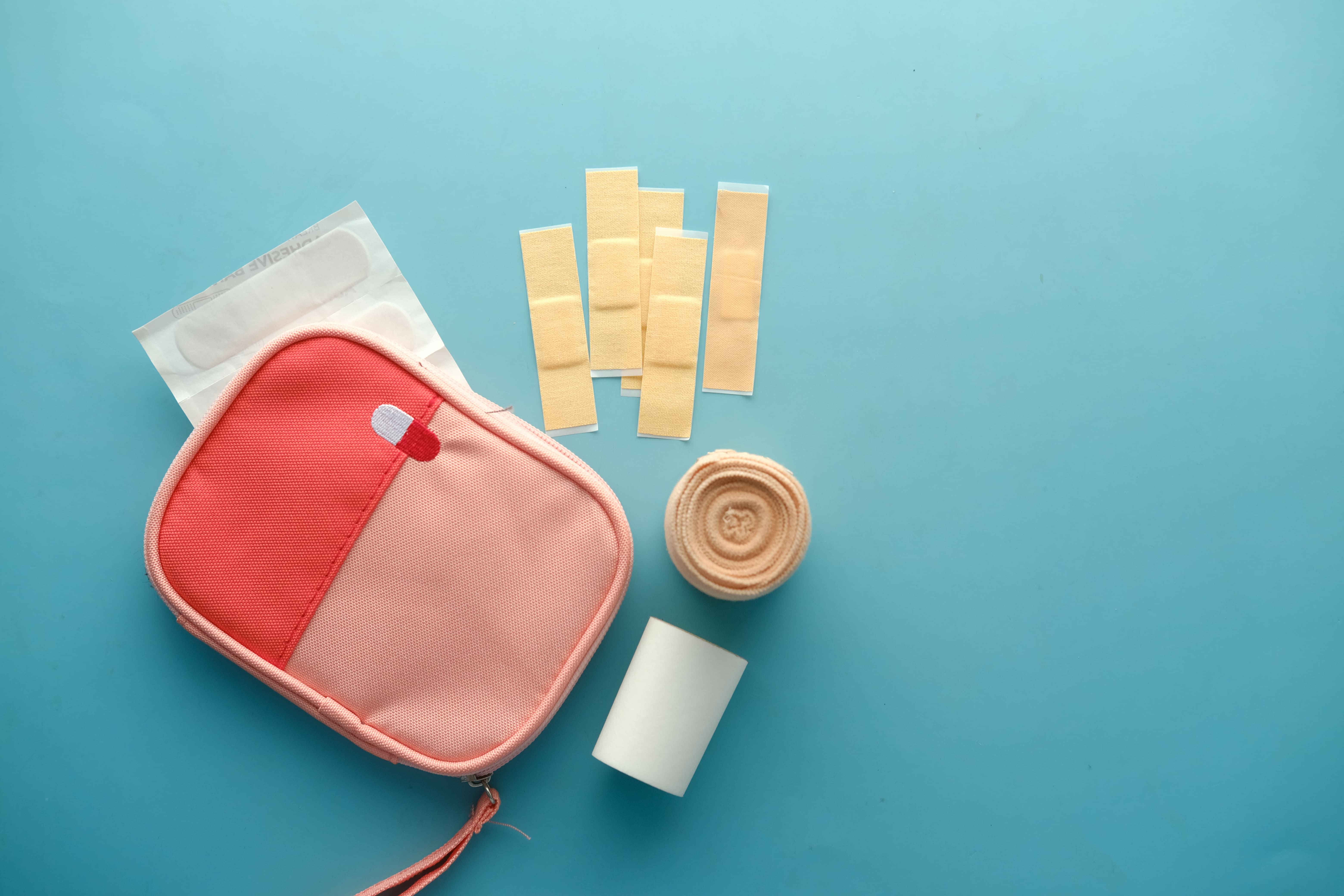
Direct pressure, clean dressings, and confident tourniquet use can be the difference between a stable transfer and a critical situation. Practice with the gear in your first aid kit so you do not lose time reading the box during a real event.
4. Choking, Seizures, and Falls
These three events are common in disability support. The shared lesson is the same. Stay calm, keep the person safe, and resist the urge to over react. After every event, complete a clear incident report and pass the information to the next shift.
5. Respectful Documentation
First aid does not end when paramedics arrive. The notes you write afterwards become part of the participant story and shape the support that follows. Aim for short, factual entries that focus on what you saw and what you did.
How Often Should You Refresh?
The Australian Resuscitation Council recommends a CPR refresher every twelve months and a full first aid refresher every three years. Most providers will prompt you ahead of expiry, but a small reminder in your own calendar is a good habit.
Conclusion
Strong first aid skills are quiet superpowers in disability support. They turn a frightening moment into a calm, structured response, and they give the people you support a real safety advantage. If your first aid is approaching expiry, our HLTAID009 and HLTAID011 classes are a friendly, hands on way to refresh and reset.