

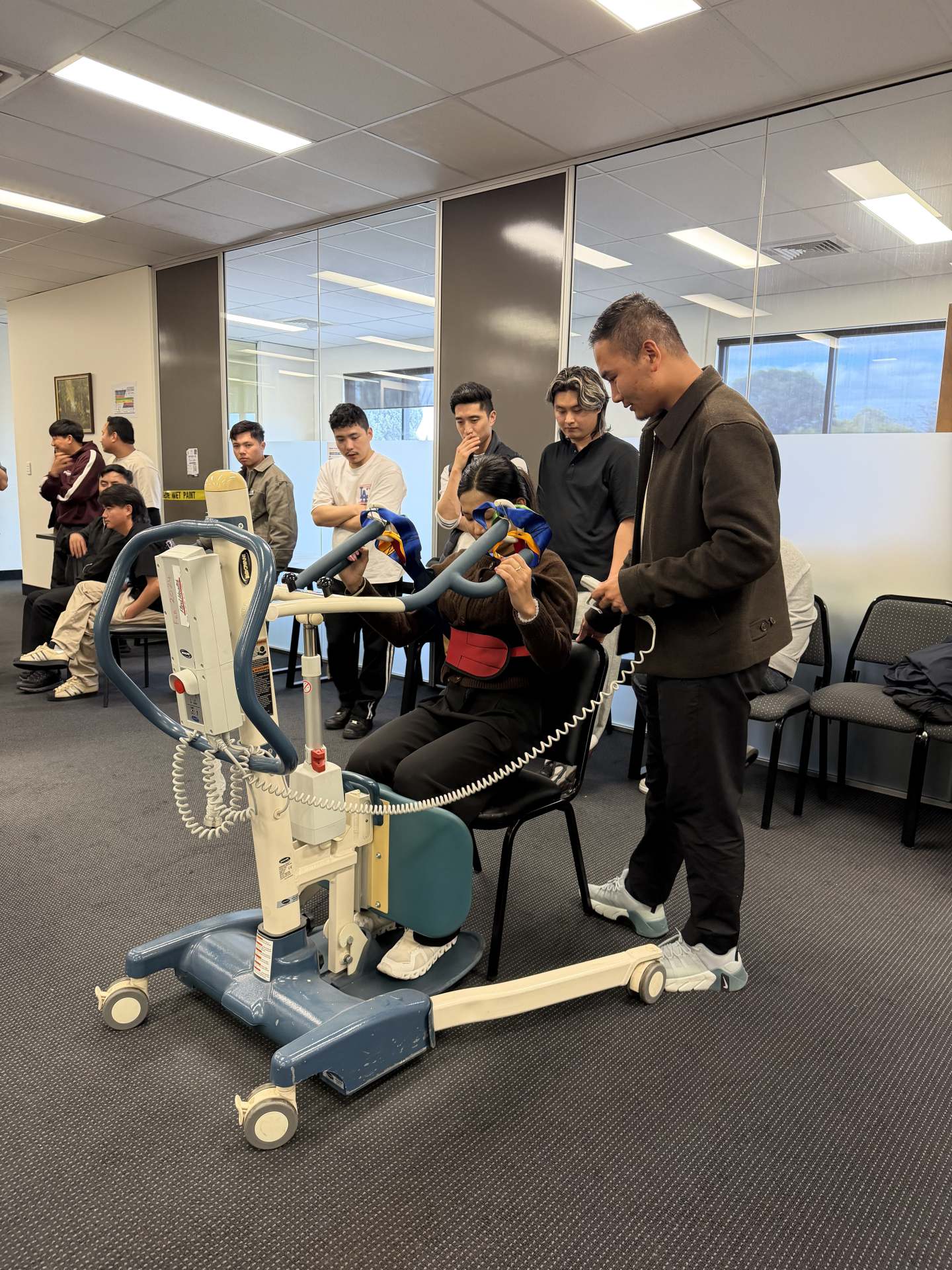
Back, neck, and shoulder injuries are some of the most common reasons support workers leave the sector. The good news is that almost every one of those injuries is preventable with the right habits, the right equipment, and a respectful, planned approach to every transfer.
Manual Handling Is About Teamwork
The strongest worker in the room is not always the safest. Safe manual handling is a planned, two way conversation between the worker and the participant, supported by the right equipment for the task.
Plan the move, talk the move, then make the move. If any of those three steps is missing, slow down and start again.
The Hierarchy of Control in Plain Language
Workplace health and safety law expects every provider to follow the hierarchy of control. In day to day shifts, that simply means choosing the safest option that gets the job done.
- Eliminate the task where you can, for example by repositioning rather than lifting.
- Substitute a heavy lift with a slide sheet or transfer belt.
- Use engineering controls such as a mobile floor hoist or ceiling track.
- Apply administrative controls like clear policies, training, and breaks.
- Use personal protective equipment as the last line of defence.
Five Habits That Prevent Injury
- Warm up your back and shoulders at the start of every shift.
- Check the environment before you move anyone, including floor, footwear, and lighting.
- Always tell the participant what you are about to do and confirm consent.
- Use slide sheets, transfer belts, and standing aids whenever they are available.
- Report near misses early, even when no one was hurt.
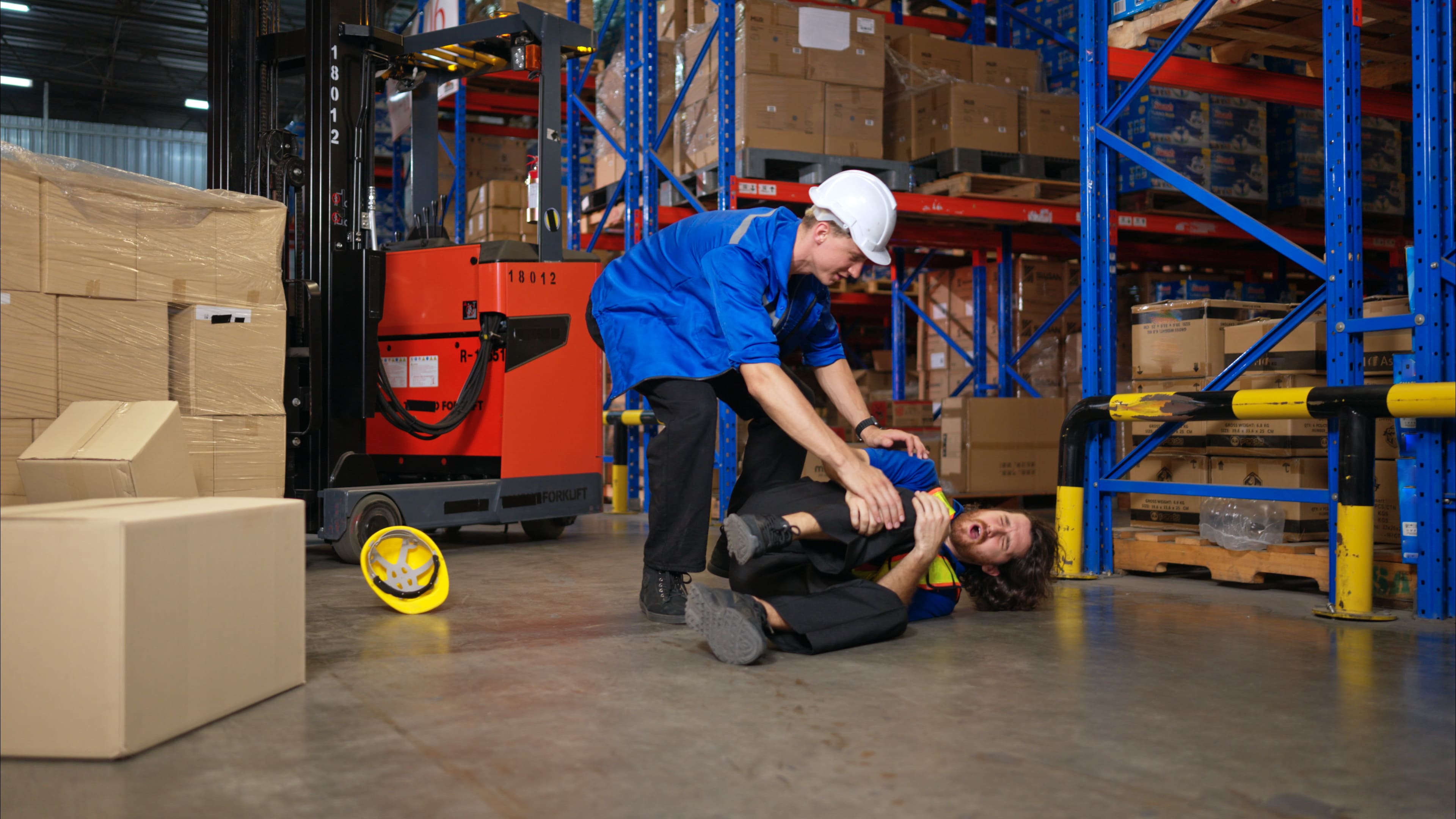
Hoists Are Friends, Not Failures
Some workers feel that using a hoist signals weakness. The opposite is true. Hoists are engineering controls that protect you and the participant from harm, and they often allow more dignified, calm transfers than a manual lift ever could.
Hoist Quick Tips
- Always pair up for a hoist transfer where policy requires it.
- Match the sling to the participant, not the participant to the sling.
- Test the controls before the participant is in the sling.
- Keep a clear path between pickup and drop off.
When to Refresh
Most providers ask for a manual handling refresher every twelve months, and after any incident or change in the participant plan. A short, practical refresher is a small commitment for a long, healthy career.
Conclusion
Manual handling is one of those quiet skills that, done well, never makes the news. It just keeps you and your participants safe, shift after shift. If your skills are due a refresh, our HLTWHS005 class and our shorter Manual Handling Refresher are both built around the habits in this guide.