Course

HLTWHS005 Conduct Manual Tasks Safely (Manual Handling)

Accredited Short Courses

HLTWHS005 Conduct Manual Tasks Safely (Manual Handling)

A nationally recognised one day class covering safe manual handling, hazardous task risk, and the use of common transfer equipment.

Price $145
Duration 1 Day
Intake Monthly
Mode On-Campus
Level All
Overview

About This Course

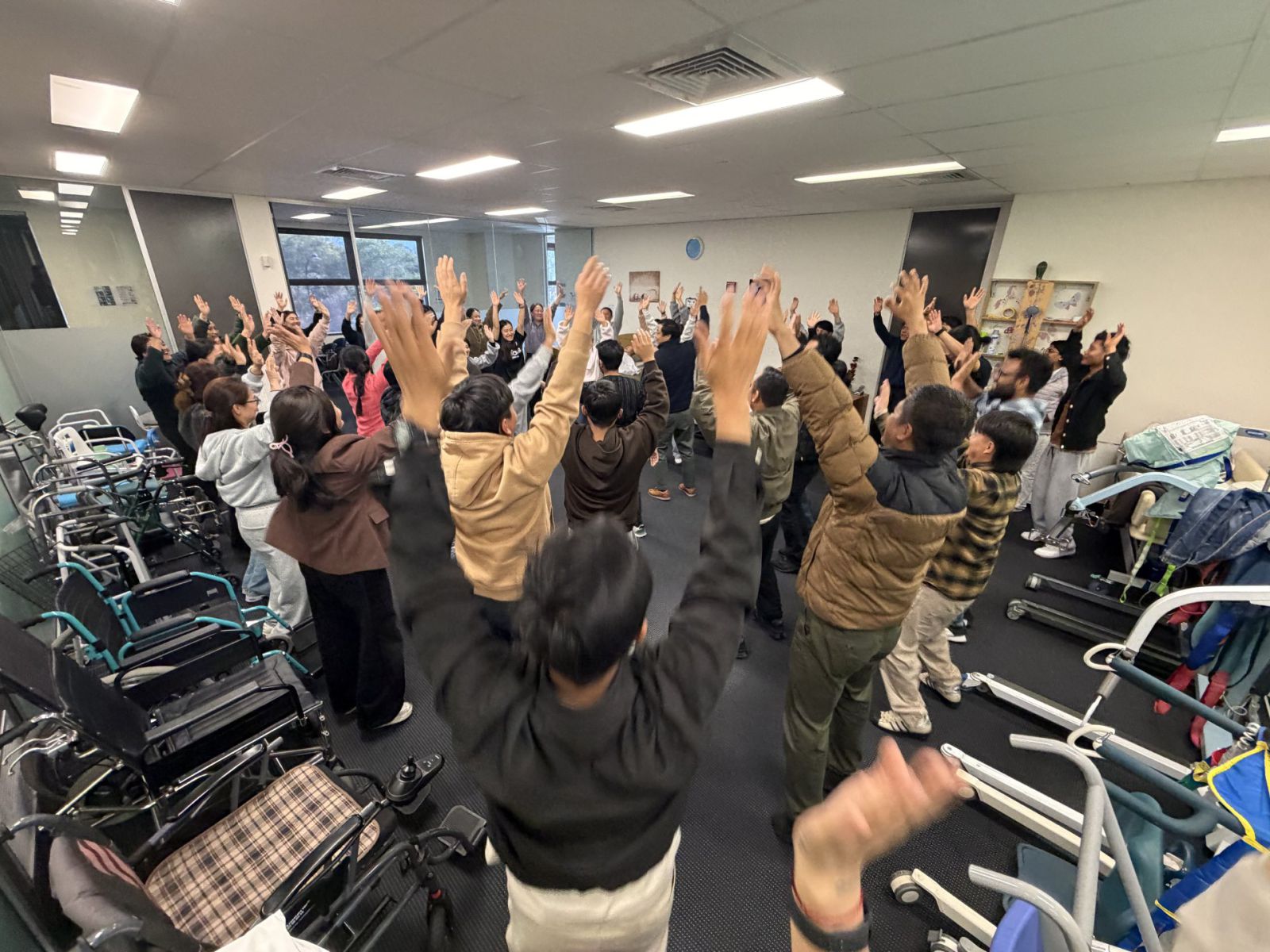
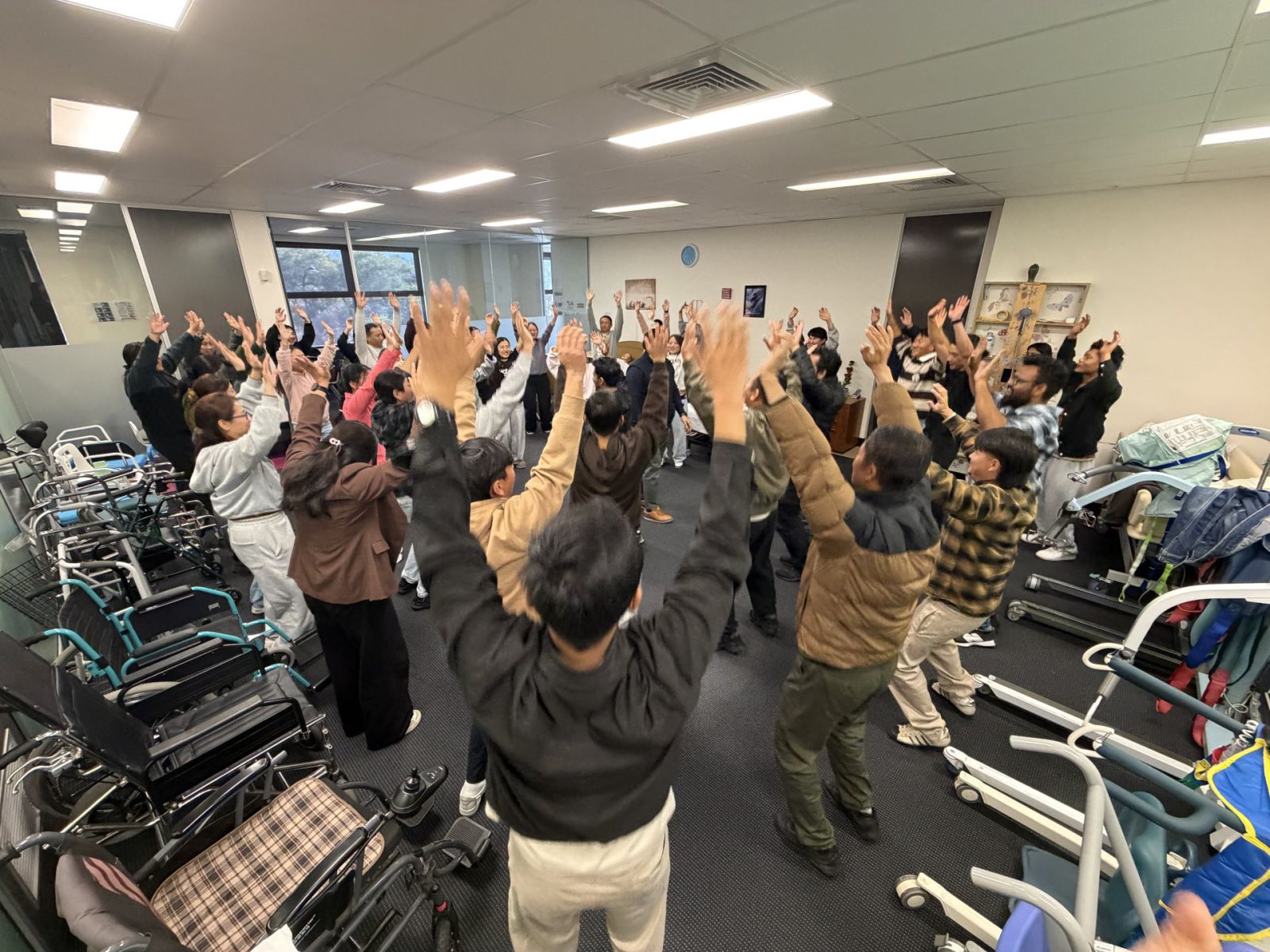
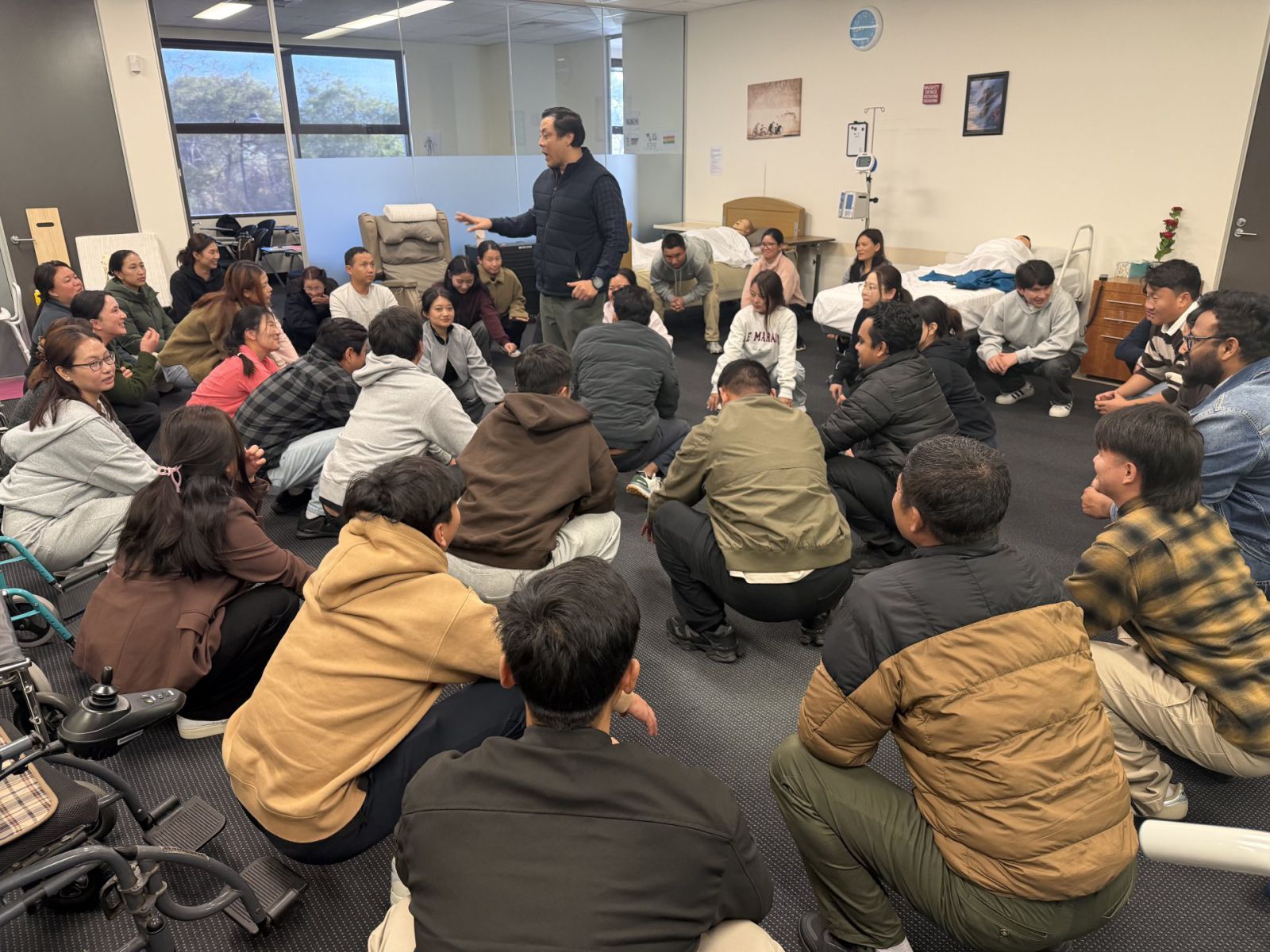
HLTWHS005 Conduct Manual Tasks Safely is a nationally recognised unit of competency for workers who lift, push, pull, hold, or carry as part of their daily role. The one day class is delivered face to face by experienced trainers using current work health and safety guidance.

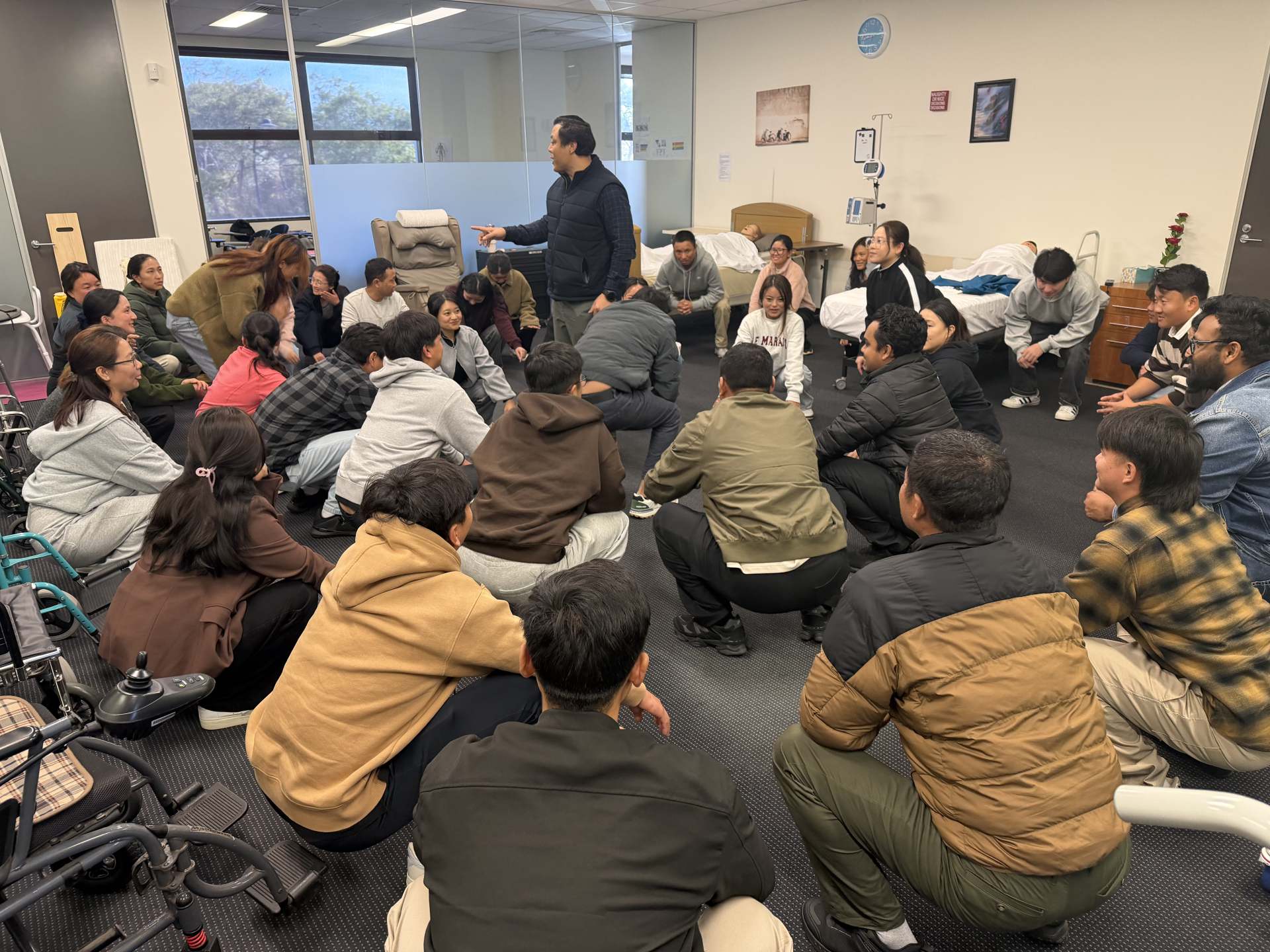
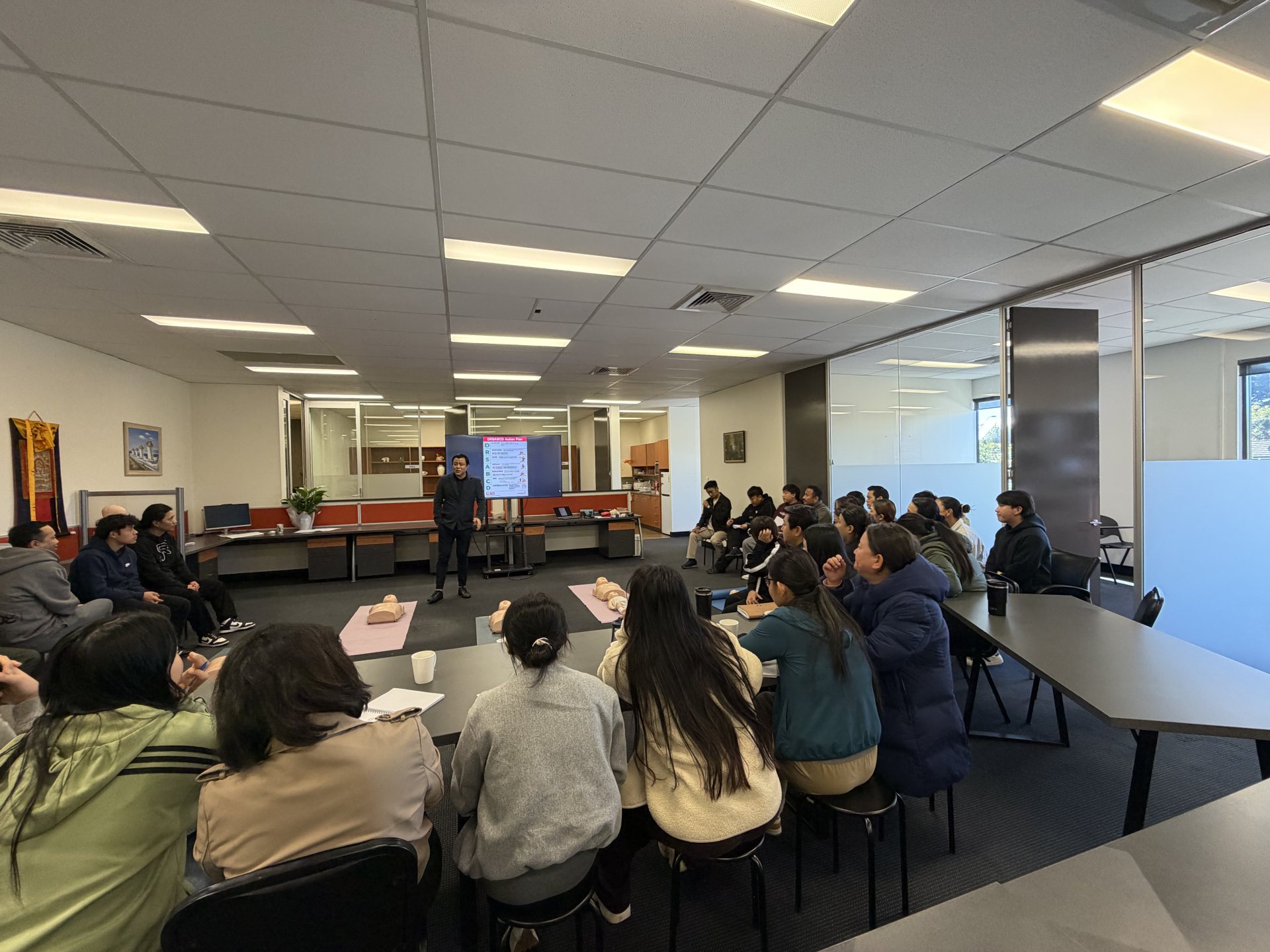
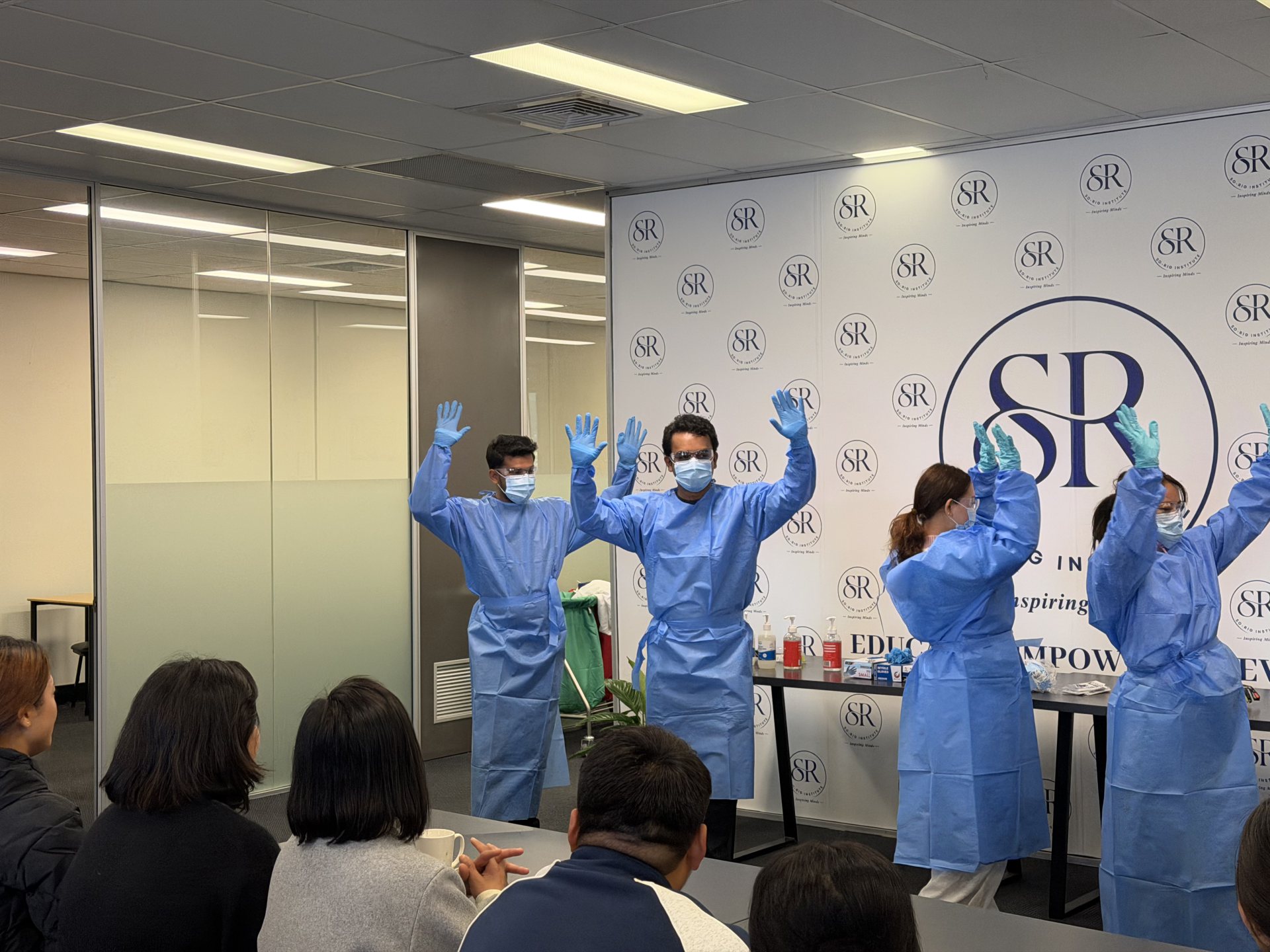
You will revisit the biomechanics of safe movement, complete a structured task risk assessment, and rehearse safe transfers using slide sheets, transfer belts, hoists, and standing aids. The session also covers reporting hazardous tasks, contributing to control measures, and applying the hierarchy of control across home, community, and workplace settings. On successful completion you receive a Statement of Attainment that meets NDIS, aged care, and general workplace expectations.


Learning Outcomes

What You'll Learn

Apply safe biomechanics to lifting, pushing, pulling, and holding tasks

Complete a documented manual task risk assessment using the hierarchy of control

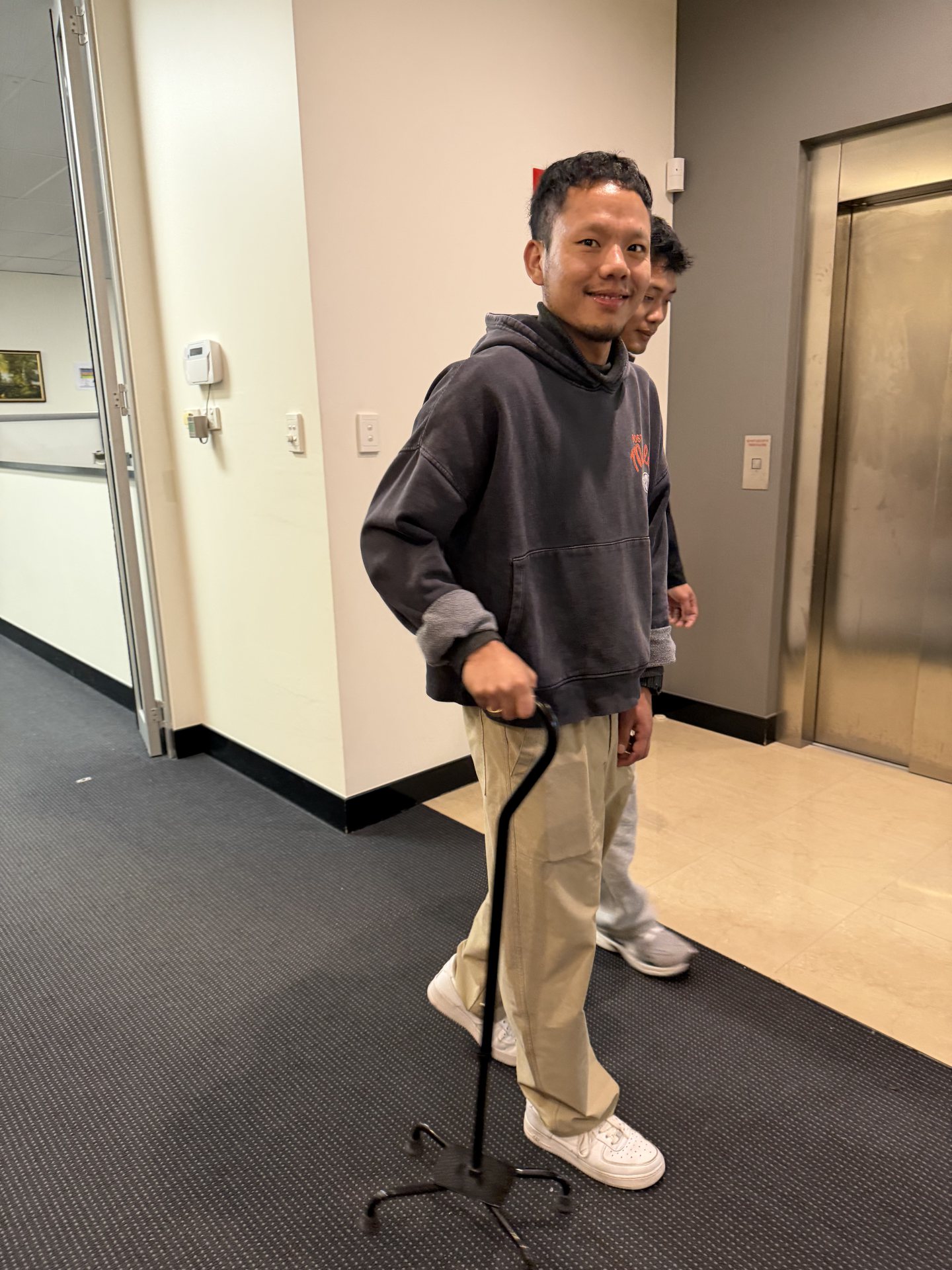
Use slide sheets, transfer belts, and standing aids confidently in practical drills

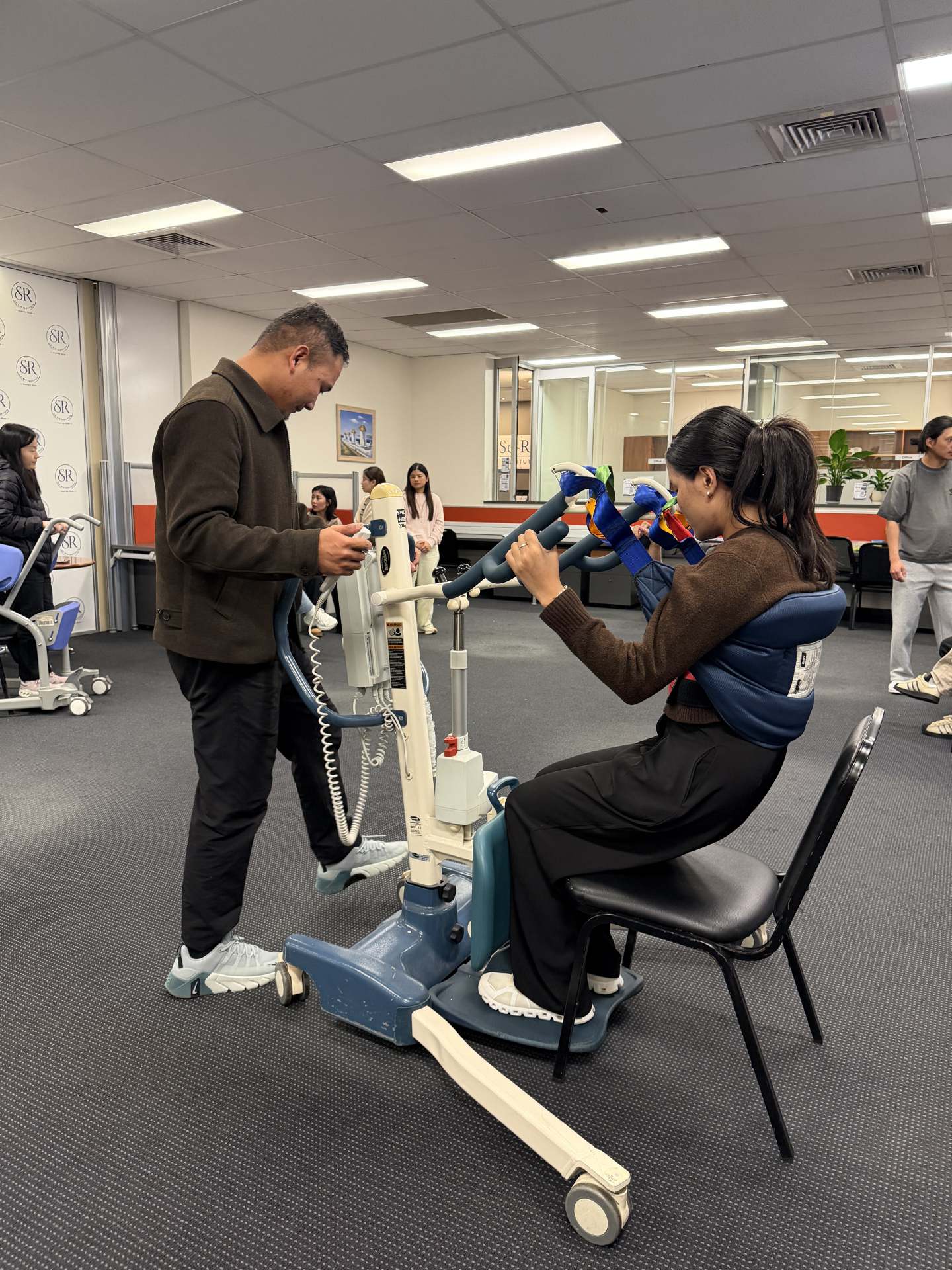
Operate a mobile floor hoist and a ceiling hoist with a partner safely

Recognise and report hazardous manual tasks in line with provider policy

Communicate respectfully with participants and team members during transfers

Course Structure

Modules & Units

01 Manual Tasks and the Body

Refresh of biomechanics, common injuries, and why posture, planning, and pace matter on every shift.

02 Risk Assessment and Control

Practical use of risk assessment templates and the hierarchy of control across real workplace scenarios.

03 Aids and Equipment Practice

Hands on practice with slide sheets, transfer belts, standing aids, and other commonly used transfer gear.

04 Hoist and Sling Drills

Step by step practice on mobile and ceiling hoists, including sling selection and team work.

05 Reporting and Continuous Improvement

Hazard reporting, incident documentation, and the team conversations that drive safer practice over time.

Career Outcomes

Where This Course Can Take You

Disability Support Worker

Carry out safe transfers and positioning across in home and community shifts with confidence.

Aged Care Worker

Meet provider manual handling expectations and reduce the risk of injury to yourself and the participant.

In Home Carer

Use small space transfers, slide sheets, and portable aids to keep clients safe at home.

Workplace Team Member

Apply safe lifting, pushing, and pulling habits across logistics, retail, and care settings.

Assessments

How You'll Be Assessed

Assessment is competency based across the day. You will complete a short written knowledge check on biomechanics, risk, and the hierarchy of control, then demonstrate safe lifting, slide sheet use, transfer belt use, and a complete hoist transfer in pairs under direct trainer observation. A final risk assessment task confirms your ability to plan a safe transfer for a simulated participant.

Requirements

Entry Requirements

  • You must be at least 16 years of age on the day of training
  • A reasonable level of physical fitness for practical lifting and transfer drills
  • A Unique Student Identifier, which we can help you create on the day if needed
  • Photo identification for sign in at the start of the session
What to Bring

Come Prepared

  • Photo identification and your USI for enrolment confirmation
  • Closed in shoes and clothing that allows free movement during transfers
  • A reusable water bottle and any personal medication you may need
  • A notebook and pen for written activities and risk assessments
Certification

Nationally Recognised Statement of Attainment

On successful completion you receive a nationally recognised Statement of Attainment for HLTWHS005 Conduct Manual Tasks Safely, issued under the Australian Qualifications Framework through our partner Registered Training Organisation. The statement is accepted across NDIS, aged care, and general workplace settings.

We recommend a manual handling refresher every twelve months, in line with most provider policies, so your skills stay current and your documentation remains up to date.

FAQ

Frequently Asked Questions

Is this manual handling course nationally recognised?

Yes. HLTWHS005 is a nationally recognised unit issued through our partner Registered Training Organisation under the Australian Qualifications Framework.

Who needs this unit?

Disability and aged care workers, in home carers, allied health assistants, and any worker who lifts, pushes, or pulls as part of their role.

Will I use a real hoist on the day?

Yes. You will practise on a mobile floor hoist and review ceiling hoist principles, with sling selection and partner transfers.

How often should I refresh manual handling?

Most providers ask for a refresher every twelve months. Your employer may also request one after any incident or change in role.

Can this class be delivered at my workplace?

Yes. Group bookings can be delivered on site across Australia. Contact our team for a tailored proposal.

Take the Next Step Towards Your Dream Career

Enrol today at Sorig Institute and gain the practical skills, confidence and certification you need to launch your NDIS career.