
Epilepsy and Seizure Support Course
Refresh confident, calm seizure support for NDIS participants who live with epilepsy or seizure activity.
$295
View Course

A respectful refresher in safe, hygienic urinary catheter support for NDIS participants in everyday life.
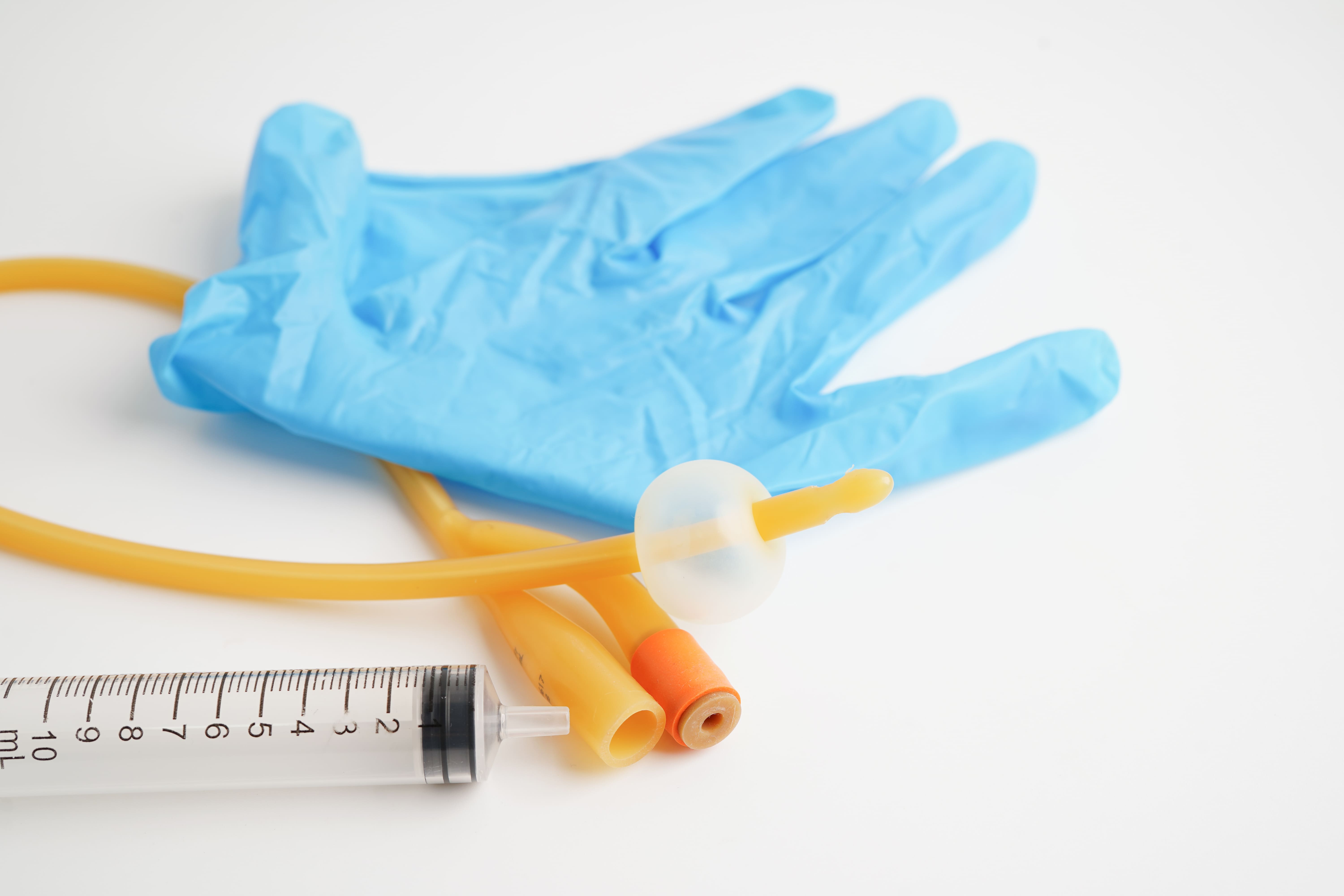
Urinary Catheter Support Management is a one day refresher for support workers and carers who assist NDIS participants with indwelling or intermittent urinary catheters. The course revisits urinary anatomy, the reasons a catheter may be used, and the principles of dignified, person centred care across the home and community.
You will practise hand hygiene, drainage bag management, leg bag changes, and bladder washouts when delegated by a registered nurse. Trainers walk through common issues such as bypassing, blockage, and signs of urinary tract infection so you can respond calmly. By the end of the day you will feel prepared to deliver consistent, hygienic, respectful catheter care while keeping documentation clear and reporting timely.
Describe urinary anatomy and the role of indwelling and intermittent catheters
Apply infection control to every step of catheter care and bag changes
Carry out leg and night bag changes safely with respect for dignity
Recognise blockage, bypassing, and infection signs and respond appropriately
Support hydration, skin integrity, and continence dignity for participants
Document outputs, observations, and concerns in line with provider policy
Refresh of urinary anatomy, catheter types, and the everyday choices that keep participants safe and comfortable.
Hand hygiene, single use products, storage, and the gear you will use day to day on shift.
Step by step practice for leg and night bag changes plus delegated bladder washouts on a mannequin.
Spotting blockage, bypassing, and urinary tract infection so the team can act before issues escalate.
Output charts, language that protects dignity, and the handover that keeps clinical teams informed.
Provide skilled support to NDIS participants in their homes and the community with confidence in this clinical task.
Deliver consistent, high quality care across a roster of participants while meeting provider quality requirements.
Support participants to remain safely at home through accurate procedures, observation, and timely reporting.
Assist nurses and allied health teams by carrying out delegated tasks safely under their direct supervision.
Assessment is competency based and runs throughout the day. You will complete short written checks on urinary anatomy and infection control, then demonstrate a full bag change and a delegated bladder washout on a clinical mannequin. A final scenario confirms your ability to recognise an issue and document it clearly.
On successful completion you receive a So Rig Institute Statement of Attendance confirming your refresher in this skill area. The statement lists the topics covered, the date attended, and the trainer who delivered the session, and is suitable for inclusion in your professional development file.
We recommend a refresher every twelve months, in line with NDIS practice standards and most provider policies, so your skills, documentation, and incident reporting stay current.
Disability support workers, community care workers, and carers who help NDIS participants with catheter care under delegation.
No. Catheter insertion is a clinical task carried out by a registered nurse. This course covers ongoing, daily care.
No. All practical work is done on clinical mannequins so you can build confidence in a safe environment.
You will rehearse a calm, structured response, including escalation to the registered nurse and accurate documentation.
Most providers ask for a refresher every twelve months and sooner if a participant's care plan changes.
Refresh confident, calm seizure support for NDIS participants who live with epilepsy or seizure activity.
Refresh safe subcutaneous injection skills for participants who self manage or rely on support for diabetes.
Build confidence in safe, dignified enteral feeding support for participants using PEG, PEJ, or NG tubes.
Refresh confident, structured ventilator support for NDIS participants who rely on assisted breathing every day.
Refresh confident, safe mealtime support for NDIS participants who live with swallowing difficulties.
A focused refresher in safe, dignified bowel care for NDIS participants who need delegated clinical support.
Enrol today at Sorig Institute and gain the practical skills, confidence and certification you need to launch your NDIS career.