
Epilepsy and Seizure Support Course
Refresh confident, calm seizure support for NDIS participants who live with epilepsy or seizure activity.
$295
View Course

Refresh confident, structured ventilator support for NDIS participants who rely on assisted breathing every day.
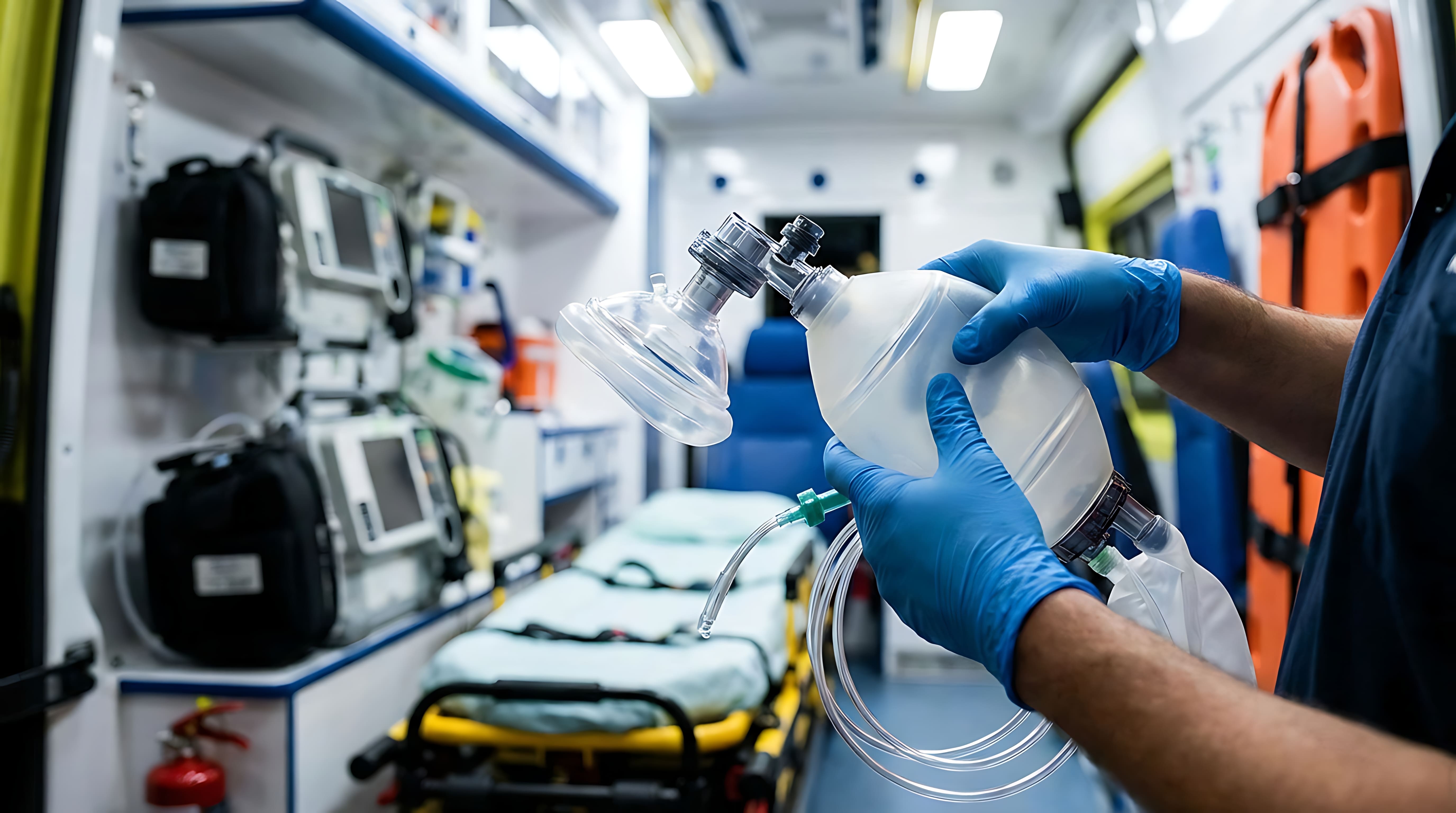
Ventilator Support Management is a one day refresher for support workers and carers who assist NDIS participants who rely on a ventilator at home or in the community. The course covers the basics of assisted ventilation, common circuit components, and the everyday checks that keep participants breathing safely while living an active life.
You will revisit equipment safety, alarm response, suctioning under delegation, and the partnership with respiratory clinicians that guides every shift. Trainers walk through common emergencies such as power loss, circuit disconnect, and breathing changes so you can respond calmly. By the end of the day you will feel prepared to deliver high quality ventilator support, document each shift clearly, and protect the participant's dignity at all times.
Describe how home ventilators support breathing in plain language
Carry out daily equipment checks, circuit care, and humidification safely
Respond to common ventilator alarms with the right next steps
Perform delegated suctioning with infection control and dignity in mind
Use backup equipment and respond to power loss or disconnect events
Document shifts, alarms, and concerns for the respiratory and family team
A clear refresher on assisted breathing, common circuits, and the role of the support worker on every shift.
Equipment checks, circuit care, humidification, and infection control before, during, and after each shift.
Walk through the most common alarms with calm, structured responses that protect the participant and the team.
Step by step practice on a clinical mannequin including catheter choice, technique, and infection control.
Power loss, circuit disconnect, and changes in breathing rehearsed in scenarios before final sign off.
Provide skilled support to NDIS participants in their homes and the community with confidence in this clinical task.
Deliver consistent, high quality care across a roster of participants while meeting provider quality requirements.
Support participants to remain safely at home through accurate procedures, observation, and timely reporting.
Assist nurses and allied health teams by carrying out delegated tasks safely under their direct supervision.
Assessment is competency based and runs across the day. You will complete short written checks on assisted breathing and infection control, then demonstrate equipment checks, alarm response, and delegated suctioning on a clinical mannequin. A final emergency scenario confirms your ability to manage power loss or a circuit disconnect safely.
On successful completion you receive a So Rig Institute Statement of Attendance confirming your refresher in this skill area. The statement lists the topics covered, the date attended, and the trainer who delivered the session, and is suitable for inclusion in your professional development file.
We recommend a refresher every twelve months, in line with NDIS practice standards and most provider policies, so your skills, documentation, and incident reporting stay current.
Support workers and carers who provide ongoing ventilator support to NDIS participants under a delegated clinical plan.
No. Ventilator settings are managed by respiratory clinicians. You learn safe ongoing care and emergency response under delegation.
You will rehearse a clear, calm response, including backup equipment, contacts, and the documentation that follows.
No. All practical drills are completed on clinical mannequins so you can build confidence safely.
Most providers ask for a refresher every twelve months or sooner if the participant's clinical plan changes.
Refresh confident, calm seizure support for NDIS participants who live with epilepsy or seizure activity.
A focused refresher in safe, dignified bowel care for NDIS participants who need delegated clinical support.
A respectful refresher in safe, hygienic urinary catheter support for NDIS participants in everyday life.
Refresh safe subcutaneous injection skills for participants who self manage or rely on support for diabetes.
Refresh confident, safe mealtime support for NDIS participants who live with swallowing difficulties.
Build confidence in safe, dignified enteral feeding support for participants using PEG, PEJ, or NG tubes.
Enrol today at Sorig Institute and gain the practical skills, confidence and certification you need to launch your NDIS career.